This is the Knee Replacement Recovery Timeline and What You Can Expect from Your Surgery
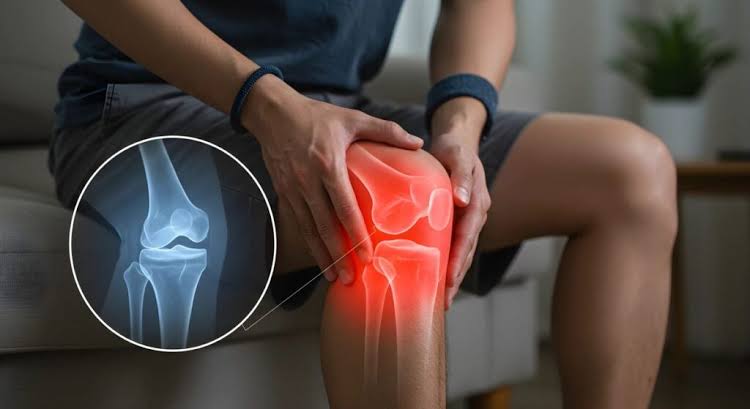
A knee replacement is one of the most frequent orthopedic surgeries performed to alleviate chronic knee pain in patients with large amounts of knee joint damage. Osteoarthritis, rheumatoid arthritis, damage caused by injury, or long-term wear and tear on the cartilage can seriously impact the quality of life and mobility.
The recovery experience after knee replacement surgery is a gradual one, which includes management of pain, physical therapy, training for mobility, and lifestyle changes. Most patients feel better with improvements in pain and walking ability, but it’s important to have realistic expectations, and understand the recovery time frame to help you experience a better recovery.
Having some idea of what to look out for in each of the stages of recovery can help the patient prepare physically and mentally for rehabilitation.
Knee Replacement Surgery – What is it?
Knee replacement surgery is the replacement of the damaged components of the knee joint with artificial components.
Surgery may be suggested for those who have:
- Severe knee pain
- Joint stiffness
- Difficulty walking
- Reduced mobility
- Development of complications from non-surgical treatments
This procedure is designed to help relieve chronic pain and improve joint function.
There are Many Potential Causes of Knee Replacement
The knee joint may become damaged over time because of several different conditions.
These may include:
- Osteoarthritis
- Rheumatoid arthritis
- Knee deformity
- Previous knee injury
- Cartilage degeneration
If left untreated, damage to the joints can get worse over time.
What Happens in the Hospital
Patients are usually monitored for:
- Respiration and breathing.
- The nervous system and nerves.
- Pain levels
- Wound healing
- Movement of the leg is safe
Most patients start standing and walking with assistance soon after surgery.
Early Recovery with Pain Management
There are a number of common pain management approaches.
These may include:
- Prescribed pain medications
- Ice therapy
- Leg elevation
- Gentle movement exercises
Appropriate pain management can make for more comfort and mobility.
Early Recovery Goals
Patients are encouraged to:
- Walk short distances
- Perform basic exercises
- Move the knee gently in the direction of first bending and then straightening
- Avoid blood clots by moving around
Generally, physical therapy starts right after surgery.
Role of Physical Therapy
Physical therapy is one of the most crucial aspects of recovery.
Goals of Rehabilitation
Therapy helps the patient
- Improve knee flexibility
- Build muscle strength
- Improve walking ability
- Attain equilibrium and balance
Regular Rehabilitation helps Achieve Better Long-term Results
During this stage, mobility and strength typically remain further enhanced.
These are the General Improvements in this Stage:
Patients may gradually:
- Walk with less assistance
- Enhance knee ROM at the end of the squat range of motion
- Perform daily activities more comfortably
- Minimize use of pain medications
The Rate of Recovery Depends on General Fitness and Activity
Many people undergoing knee replacement surgery at Ahmedabad or recovery from it in Ahmedabad tend to concentrate on rehabilitation exercises, mobility, and strengthening exercises post-surgery to help maintain joint function.
Swelling and stiffness in recovery are common
Helpful Recovery Measures
Patients might be helped by:
- Regular movement
- Ice application
- Feet level on the floor with elevated leg
- Leg elevated while resting.
If the swelling continues at a high level, it should be medically assessed
Mobility Progression
Patients can start using:
- Walker
- Crutches
- Cane
As strength improves, most people slowly begin to walk on their own.
A brief look back at Daily Activity
Patients can gradually resume the following activities:
These may include:
- Climbing stairs
- Driving
- Household tasks
- Office-based work
The progression of activities is typically based on the healing process and is led by a doctor.
4. Long-Term Recovery Timelin
The following is a list of some of the things that Long-Term Recovery may entail.
Patients still have improvement after:
- Strength
- Endurance
- Knee flexibility
- Walking comfort
Others see improvement over time for up to a year following surgery.
The speed of recovery depends on factors such as
There are several health and lifestyle factors that influence recovery outcomes.
Consider key Recovery Factors such as:
- Age
- Overall physical health
- Weight management
- Rehabilitation consistency
- Pre-surgical joint condition
Rehabilitation plans are generally followed with good results
Home exercise programs help to continue recovery.
Examples of some common home exercises include:
- Knee bend
- Leg raise
- Walking exercises
- Strengthening movements
- Exercise helps keep joints stable and mobile.
Possible Recovery Challenges
Some patients may have temporary problems with recovery.
Typical obstacles can involve:
- Swelling
- Stiffness
- Difficulty sleep
- Fatigue
- Temporary balance issues
The majority of symptoms will slowly improve with rehab.
If you have medical conditions, please contact Medical Care for
- Fever
- Severe swelling
- An increasing amount of bleeding around the wound.
- Chest pain
- Difficulty breathing
Preventing complications with early attention.
- Lifestyle Tips After Knee Replacement
- Treatment for long-term care of the joints is still crucial after recovery.
- Helpful Lifestyle Measures
Typically, patients are recommended to:
- Maintain healthy body weight
- Stay physically active
- Do not over extend joints
- Continue strengthening exercises
Artificial joint longevity is helped through healthy habits.
Is it safe for patients to return to exercise?
A lot of people can resume low impact exercise once they’re better.
I often include these recommended activities in my lesson plans:
- Walking
- Swimming
- Cycling
- Gentle stretching exercises
Depending on medical advice, high-impact activities, such as those outlined on the sport’s page, may be restricted.
- Emotional Recovery After Surgery
- Emotional adjustment may also be a part of the recovery process.
Emotional Challenges May Include:
Difficulty moving around and not feeling included.
- Concern for recovery rate
- Being fed by others
Building confidence may be enhanced by family and healthcare providers.
Frequently Asked Questions
What’s the recovery time for a knee replacement?
Most patients improve a lot in a few months, and may improve completely for a year.
How long is the period of time after knee replacement surgery during which it is safe for me to walk?
Patients are able to start walking within 1 day after surgery.
Does the knee replacement require physical therapy?
Yes, rehabilitation activities are an important component in restoring movement, strength and mobility.
How long does swelling last after surgery?
During recovery, there can be some swelling which may last for weeks, or even months.
Does knee replacement surgery cure knee pain for good?
A majority of patients are able to recover and therefore enjoy long-term pain relief and mobility.
Conclusion
Recovery from a knee replacement surgery is a gradual process that requires rehabilitation, mobility training, pain management and regular exercise. The first few weeks are spent on healing and restoring movement and long-term rehabilitation takes place over a few months until strength and flexibility return.
To help patients have realistic expectations and stay motivated during recovery, they should understand the recovery timeline. Many people can recover their mobility, lessen pain, and enjoy a better quality of life after knee replacement surgery, with the proper medical care, physical therapy, and healthy lifestyle habits.