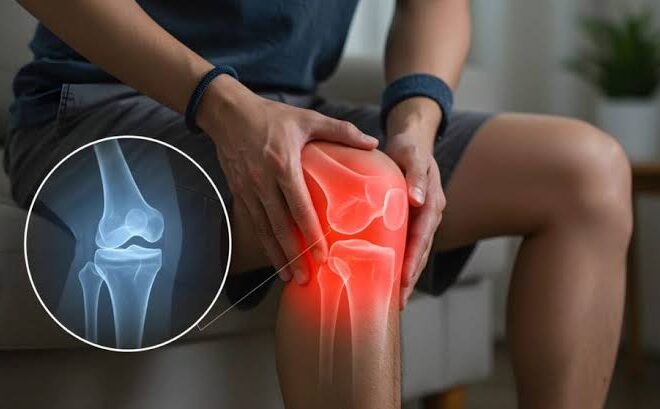

How Motion Preservation Surgery Can Improve Your Mobility and Comfort
Motion preservation surgery is a modern medical approach designed to treat spine and joint problems while maintaining natural movement in the body. Unlike traditional procedures that may limit flexibility by fusing bones together, this type of surgery focuses on preserving motion and supporting long-term mobility. It is often used for patients dealing with chronic pain, stiffness, or degenerative conditions that affect everyday activities. By keeping the natural movement of the body intact, it can help individuals return to a more active and comfortable lifestyle with less restriction and improved function.
Understanding Motion Preservation Surgery
Motion preservation surgery refers to a group of surgical techniques that aim to repair or replace damaged spinal or joint structures without removing their ability to move naturally. In many cases, artificial discs or advanced implants are used to support the affected area while allowing controlled motion. This makes it different from fusion surgery, where two bones are permanently joined together, reducing flexibility. The goal of motion preservation surgery is to relieve pressure on nerves, reduce pain, and maintain as much normal body movement as possible. It is commonly considered for conditions such as degenerative disc disease or spinal disc herniation.
How It Improves Mobility
One of the key advantages of motion preservation surgery is its ability to maintain or restore mobility. When a damaged joint or spinal disc is treated with this approach, the surrounding structures continue to function in a more natural way. This helps reduce stiffness and allows smoother movement in daily activities such as walking, bending, and lifting. Patients often experience improved range of motion compared to more traditional surgical methods. Because the natural mechanics of the body are preserved, there is less strain on nearby joints, which can also reduce the risk of future mobility issues.
Benefits for Comfort and Daily Life
Comfort plays a major role in quality of life, and motion preservation surgery can significantly improve it. Many patients suffer from ongoing pain caused by nerve compression or joint wear, and this procedure aims to address the root cause while maintaining flexibility. After recovery, individuals often report reduced pain levels and greater ease in performing routine tasks. Activities like sitting for long periods, climbing stairs, or sleeping comfortably become less challenging. Another important benefit is that it may lead to a faster and smoother recovery process compared to more invasive procedures, allowing patients to return to normal life sooner.
Who Can Benefit from This Approach
Motion preservation surgery is not suitable for everyone, but it can be highly effective for carefully selected patients. It is often recommended for individuals who have not found relief from non-surgical treatments such as physical therapy or medication. Doctors evaluate several factors, including the severity of the condition, overall health, and the specific location of the problem, before suggesting this option. Younger and more active patients may especially benefit because maintaining flexibility is often a priority for their lifestyle. A detailed medical assessment is always necessary to determine if this approach is the right choice.
Conclusion
Motion preservation surgery offers an advanced solution for individuals struggling with spinal or joint conditions that affect movement and comfort. By focusing on maintaining natural motion while treating the source of pain, it provides a balanced approach between healing and flexibility. This can lead to improved mobility, reduced discomfort, and a better overall quality of life. For many patients, it represents an important step toward regaining independence and returning to everyday activities with confidence and ease.