
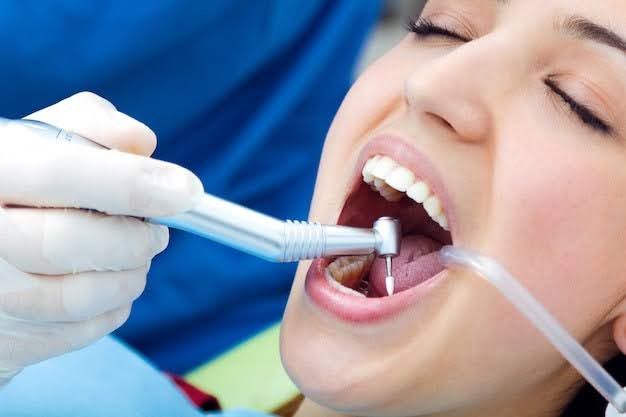
Understanding the Different Steps Involved in Teeth Cleaning
Many people feel nervous before a dental visit because they do not know what to expect. Professional teeth cleaning is a simple, routine procedure that removes plaque, tartar, and stains that brushing alone cannot reach. Knowing each step in advance can reduce anxiety and help you feel more comfortable in the dental chair. Here is a clear look at what usually happens.
1. Initial Oral Examination
Before starting, the hygienist or dentist checks your mouth carefully. During a teeth cleaning appointment, they look for cavities, gum inflammation, loose fillings, and other concerns.
They may use a small mirror to see hard-to-reach areas. This examination helps determine whether you need extra treatment or X-rays. Early detection often makes treatment simpler, faster, and more affordable.
2. Plaque and Tartar Removal
This is the main part of the visit. A thorough teeth cleaning uses a handheld scaler or an ultrasonic tool to remove hardened plaque, called tartar, from the surface of your teeth and below the gumline.
You may hear scraping sounds, which are normal. Removing tartar protects against gum disease and cavities. Regular removal keeps your breath fresher and gums healthier too.
3. Gritty Toothpaste Polishing
After scaling, your teeth are polished with a gritty toothpaste using a slow-speed electric brush.
This stage of teeth cleaning removes surface stains from coffee, tea, or tobacco and leaves your teeth smoother and brighter. The smooth surface also makes it harder for plaque to stick.
4. Expert Flossing
Next, the hygienist flosses between each tooth to remove leftover debris and polishing paste.
Professional teeth cleaning includes careful flossing that reaches areas you may miss at home. It also helps the dental team spot spots where gums bleed, which can signal early gum problems.
5. Rinsing and Fluoride Treatment
You then rinse thoroughly to wash away remaining particles. Many clinics finish teeth cleaning with a fluoride treatment, applied as a gel, foam, or varnish.
Fluoride strengthens enamel and helps protect against decay. You may be asked to avoid eating or drinking for a short time afterward.
6. Personalized Advice and Next Steps
Your hygienist will explain what they found and share practical tips on brushing, flossing, and diet. A good teeth cleaning visit ends with a recommended schedule for future appointments.
Most people benefit from visits every six months, though some need more frequent care. Following this advice at home makes your next visit easier.
Final Thoughts
Regular teeth cleaning is one of the easiest and most effective ways to protect your smile and overall health. Each step, from examination to fluoride, works together to keep your mouth clean and free of problems. Do not skip appointments because of fear or cost, since early care is usually simpler and cheaper than treating advanced disease. Remember that results and recommendations vary from person to person, so follow your dentist’s advice. Between visits, brush twice daily, floss once a day, and limit sugary snacks. If you feel discomfort, tell your hygienist so they can adjust. Book your next appointment today and keep your smile healthy.