Why Rowing Is One of the Best Full-Body Exercises You Can Do
Rowing is consistently ranked among the most complete forms of cardiovascular exercise, engaging muscles across the legs, core, back, and arms in a single coordinated movement. For people seeking an efficient workout that delivers both aerobic fitness and muscular strength without the joint impact of high-intensity activities, rowing on a quality indoor machine represents an excellent choice regardless of age or current fitness level.
Importance of Indoor Rower
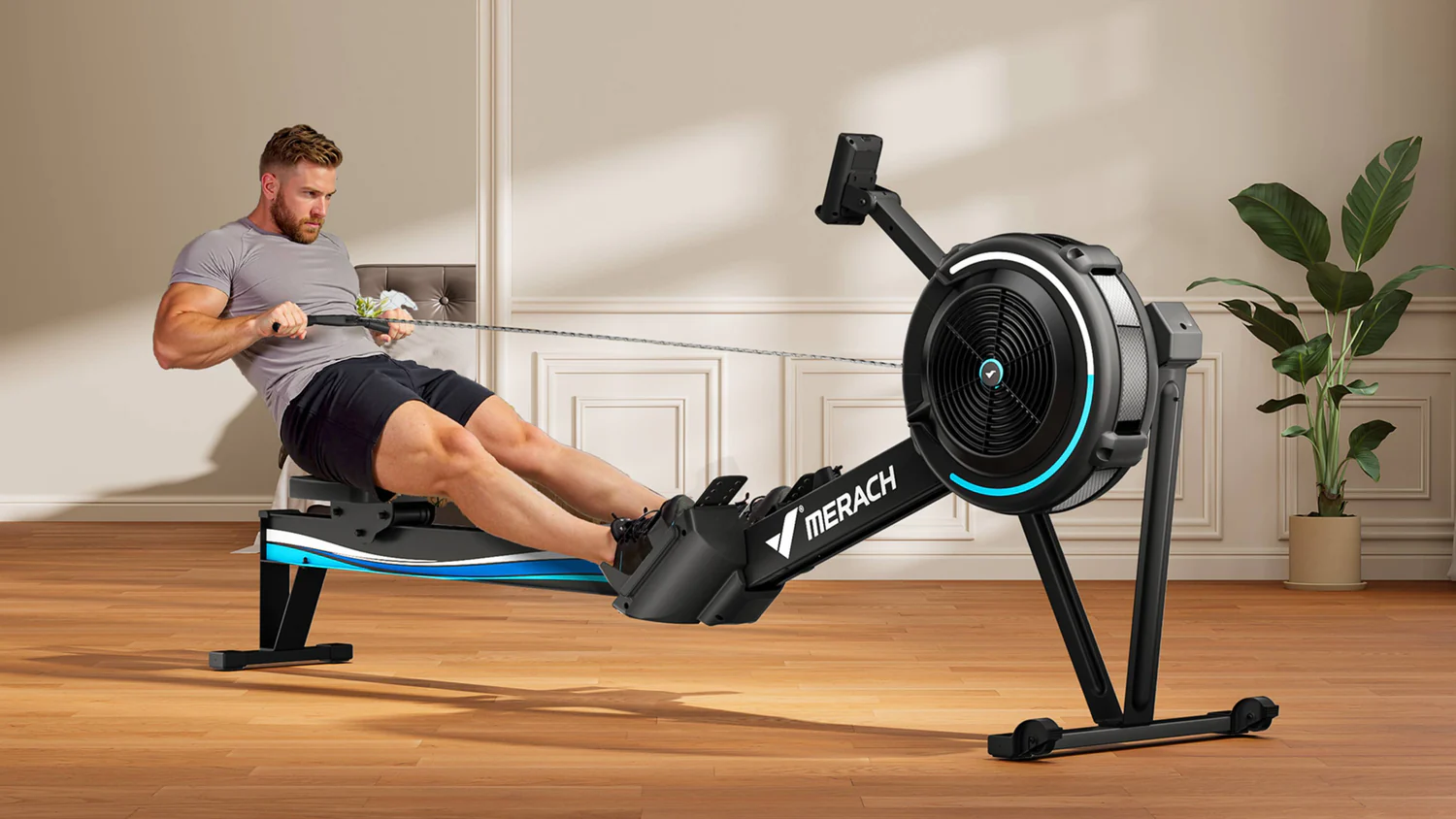
A quality rowing machine brings the full-body benefit of on-water rowing into any home or fitness facility. The indoor rower machines replicate the resistance and movement pattern of rowing through either air resistance, water resistance, magnetic braking, or hydraulic mechanisms.
Air and water resistance models are most popular among serious users because the resistance scales naturally with effort level, providing a highly responsive training experience. Most models include performance monitors that display split times, stroke rate, and estimated power output, giving users the data they need to train effectively.
The Muscles Worked During Rowing
One of rowing’s most compelling attributes is the high proportion of total body musculature it engages in each stroke. The drive phase begins with powerful leg extension that activates the quadriceps, hamstrings, and glutes.
As the legs straighten, the core stabilizes the torso and transmits force through the hips. The back muscles, including the lats, rhomboids, and erector spinae, then take over to complete the pull, before the arms finish the stroke by drawing the handle to the lower chest.
Rowing for Weight Management and Fitness
Rowing is an excellent tool for managing body weight because of the high caloric expenditure it produces relative to the time invested. A moderate to vigorous rowing session burns more calories per minute than many other forms of cardio while simultaneously building lean muscle mass, which elevates resting metabolic rate over time.
Unlike running, rowing is non-weight-bearing, which protects the knees and hips from the repetitive impact stress that causes overuse injuries in many dedicated runners. This combination of high calorie burn and low joint impact makes rowing particularly well suited to long-term, consistent training.
Learning Proper Rowing Technique
Like any exercise, rowing delivers its greatest benefits when performed with correct technique. Poor form can reduce the effectiveness of the workout and create unnecessary strain on the lower back. The proper sequence is legs, then body, then arms on the drive phase, and the reverse on the recovery.
Maintaining a straight but not rigid back throughout the stroke and avoiding the tendency to rush the recovery are the most common technique corrections that new rowers need. Short focused sessions with an emphasis on form early in the learning process establish good habits that carry forward into longer, more demanding workouts.
Conclusion
Rowing machines offer an unmatched combination of full-body muscle engagement, cardiovascular conditioning, and joint-friendly, low-impact movement that makes them one of the most valuable pieces of fitness equipment available. Whether you are focused on weight management, athletic performance, general health, or efficient use of limited training time, rowing provides a single solution that addresses multiple fitness goals.
Investing in a quality indoor rower and learning to use it correctly is a decision that supports long-term health and fitness in a genuinely comprehensive way.