How Sleep Apnea Treatment Improves More Than Just Sleep
There’s a type of fatigue that cannot be measured in blood. The blood tests are normal – thyroid, iron, vitamins – all checked. But the person is dozing off during the day, lashing out at their loved ones, and wondering if this is all part of the ageing process. For many people like this, the answer is in their nose, not their blood. Treating sleep apnea isn’t just about sleep. It relieves a long list of symptoms that people don’t connect with their airways.
Not Just Loud Snoring
Sleep apnea is often glazed over because snoring is a small thing – embarrassing, perhaps, but not really a disease. In reality, it’s much more serious. The throat closes again and again during the night, causing low oxygen levels, and the brain wakes us enough to begin breathing again. The person doesn’t fully awaken, so they don’t remember. They have, instead, a body that was in low-level physiological distress for hours during the night, with the stress response in action.
Why Diagnosis Takes Years
Sleep apnea remains undiagnosed in most people for years and it’s important to understand why. The symptoms (fatigue, inattention, depression, headaches on awakening) could be anything. Doctors check the more common alternatives. And the snoring complaint is dismissed by the partner and the patient together because the snorer doesn’t feel anything wrong with his or her sleep. And there’s an enduring gender and age prejudice. Sleep apnea is a condition commonly seen in older male patients with excess weight, and this means women, younger people and people of normal weight go undiagnosed for too long.
What It Does to the Heart
Each apnea episode causes a stress response. There’s a surge in blood pressure, a change in heart rate and a reduction in blood oxygen levels. This occurs repeatedly throughout the night, every night, for years before most people are diagnosed. Treatment for sleep apnea changes all that. Effective treatment has been consistently shown to reduce blood pressure, even in those who didn’t know their cardiovascular system was under siege. Your heart doesn’t cry foul. It deals with it until it’s brought to the surface.
There’s More to the Story
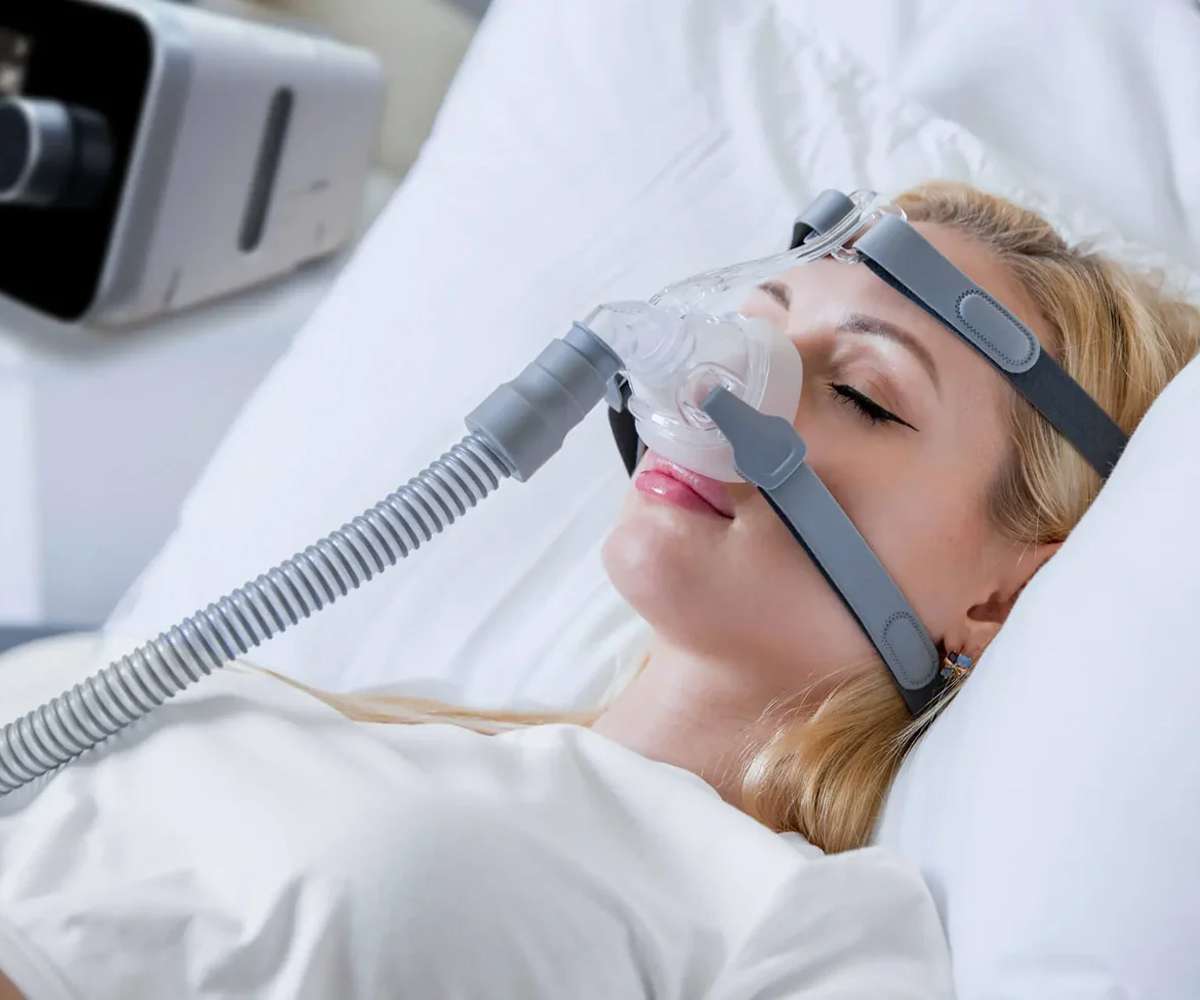
There’s a problem with CPAP compliance, and doctors and nurses know it. It feels claustrophobic, the machine irritates the spouse and the psychological disadvantage of sleeping with a mask on is real. What is not often emphasised is that CPAP is only one of several treatment options. Mandibular advancement devices (MADs) push the jaw forward to keep the airway open and are good for milder disease. Body positioning is effective for patients with positional apnea. Anything that can treat sleep apnea but is not used with regularity is better than something that’s theoretically better but never used.
Why People Decide to Do Something
It’s rarely tiredness that motivates someone to seek help. It’s usually a marriage in trouble due to impaired sleep, a workplace problem due to lack of focus, or a doctor who asks the right questions. Or it can be a near miss on the road. The tipping point varies from person to person, but the trait is the same – people delay diagnosis much longer than they should, and just about everyone regrets it.
Understanding the Sleep Study
A sleep study quantifies the number of times per hour breathing stops and starts throughout the night. The mild, moderate and severe labels impact treatment decisions. Home studies are convenient and sufficient for most simple cases, although some complex cases require more complete in-lab monitoring. The outcome is not just a diagnosis, but the data needed to decide which direction to take in treatment.
Conclusion
Treating sleep apnea is successful, but so much time goes by before it starts. It’s easy to mistake the condition for many other things, and it often takes years before anyone investigates the airway. The change that occurs with successful treatment is not only better sleep but also an improvement in baseline function. That fatigue that had been with them eases. The silent strain on the heart that was building up eases. Most patients say they feel “like themselves again” which reflects the extent to which the condition had crept in without being recognised.