
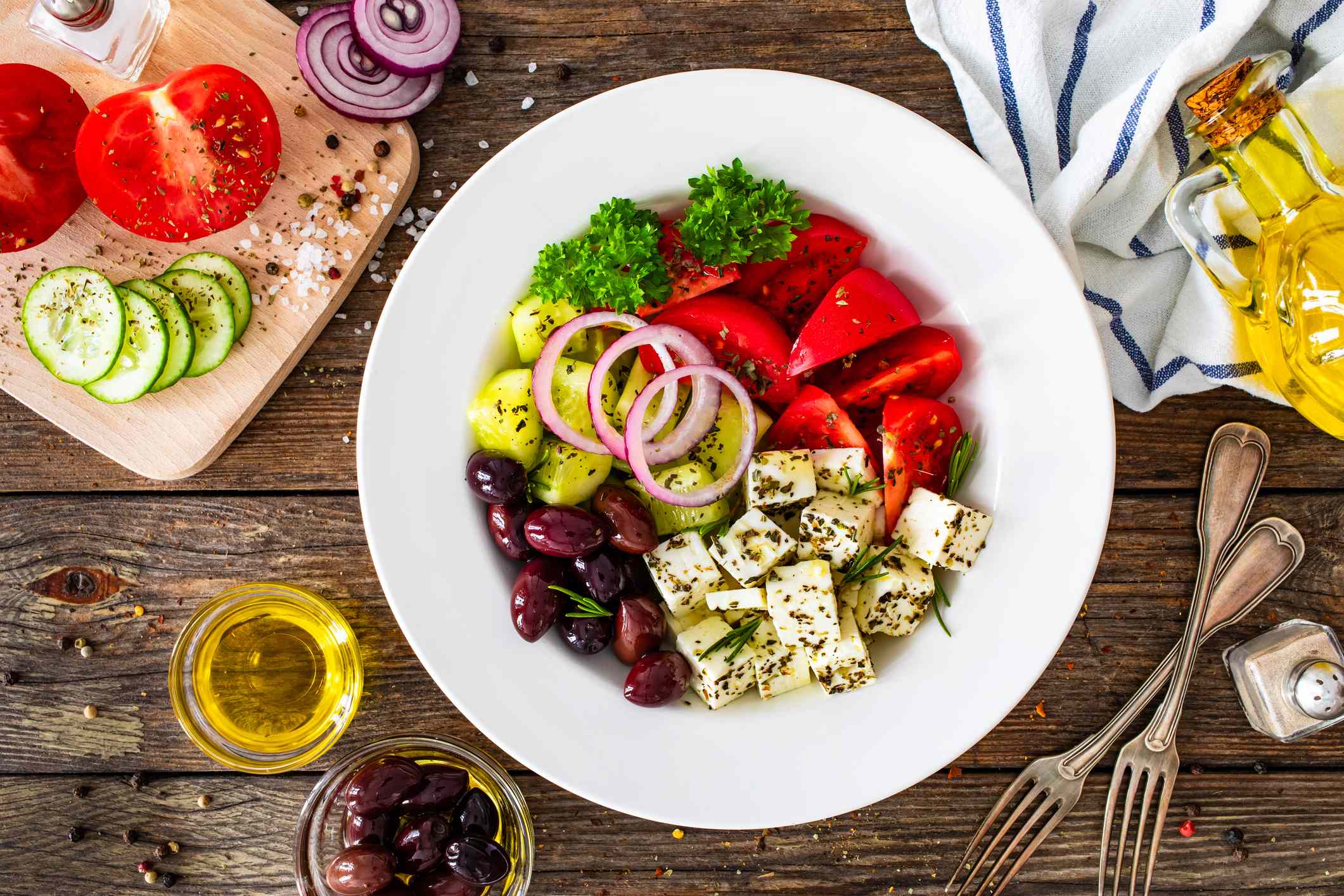
What Are The Basic Principles Of The Mediterranean Diet?
One of the world’s best known diets, the Mediterranean diet is associated with heart health, balanced nutrition and long term wellness. The Mediterranean diet isn’t a diet of restriction like many short-term diet plans; it’s a lifestyle approach to eating that encourages the consumption of whole foods, mindful eating and shared meals with others.
This diet is based on the traditional eating patterns of Mediterranean countries, such as Greece, Italy, Spain and some parts of the Middle East, which feature fresh vegetables, fruits, whole grains, legumes, healthy fats and moderate quantities of fish and dairy.
The Mediterranean diet is not a diet that you can “out of the blue” throw away an entire food group and expect to succeed! Rather, it promotes selecting nutritious foods to promote general wellbeing. If you grasp some of its fundamentals, you may be able to develop a healthy and balanced diet.
The Mediterranean Diet: What Is It?
The Mediterranean diet is a food pattern that’s influenced by the traditional eating habits and preparation of the Mediterranean areas. It gained widespread popularity globally as studies have shown a connection between this dietary pattern and numerous health benefits such as better heart health, weight management, and healthy ageing.
- A diet that is predominantly plant based.
- Selecting sources of fat that are good for you
- Including quality protein sources
- Restricting ultraprocessed foods
- Taking time to savor food and reflect on it slowly and deliberately
It is regarded as a lifestyle and not a diet program.
The Basic Principles Of The Mediterranean Diet
1. Eat More Foods From Plants
Plants form the basis of the Mediterranean diet. Dinners are usually served every day and include.
- Vegetables
- Fruits
- Whole grains
- Beans and lentils
- Nuts and seeds
- Herbs and spices
Plant foods are a source of vitamins, minerals, fiber and antioxidants. These nutrients can promote overall body function and wellness. Mediterranean-style meals can be vegetable soups, salads with olive oil, roasted vegetables, whole-grain foods, and bean based foods.
2. Use A Proper Amount Of Each Fat Source
Extra virgin olive oil is one of the hallmarks of the Mediterranean diet. The monounsaturated fats and naturally occurring compounds in olive oil are also heart-healthy.
- Salad dressings
- Cooking vegetables
- Preparing sauces
- Enhancing the taste of food
The Mediterranean diet is not a low-fat diet. Rather, it works on the concept of selecting the healthier fats over the processed and trans fats.
- Avocados
- Nuts
- Seeds
- Fatty fish
3. Consume A Lot Of Vegetables And Fruits
Fruits and vegetables play an important part in Mediterranean dishes.
- Dietary fiber
- Antioxidants
- Vitamins
- Minerals
- Natural plant compounds
Colorful vegetables like tomatoes, leafy greens, peppers, onions and seasonal vegetables are a common feature of a typical Mediterranean dish. Fruits are often used as a dessert or snack rather than something sweet.
4. Choose Whole Grains
The Mediterranean diet recommends whole grain foods, not refined.
- Whole wheat bread
- Brown rice
- Barley
- Oats
- Whole-grain pasta
- Quinoa
Whole grains have more fibre and nutrients than refined grain foods. Fiber is important for digestive health and can help to make you feel full after eating.
5. Include Legumes Regularly
In the Mediterranean diet, beans, lentils and chickpeas are key sources of protein.
- Plant-based protein
- Fiber
- Minerals
- Slow-digesting carbohydrates
Lentil soups, chickpea salads and bean stews are popular dishes from the Mediterranean. These are inexpensive, flexible and can be incorporated into daily meals. Fish and seafood are important, so make them a priority.
6. The Mediterranean Diet Is A Staple In The Cuisine Of Fish And Seafood
- Salmon
- Sardines
- Tuna
- Shrimp
- Other local seafood
Fish is a rich source of protein as well as omega-3 fatty acids, essential nutrients for overall good health. Typically, the Mediterranean diet includes more fish and fewer red meats.
7. Eat Moderate Amounts Of Dairy
Moderate amounts of dairy products are allowed.
- Yogurt
- Cheese
- Fermented dairy products
In the traditional Mediterranean diet, dairy and dairy products are served in small quantities and not as the centre of the meal. Plain and minimally processed yogurts are typically recommended.
8. Eat less Red Meat And Processed Food
- Processed meats
- Sugary snacks
- Fast foods
- Highly refined foods
Rarely may red meat be served in smaller quantities as a part of the diet. In contrast, foods tend to focus on vegetables, legumes, fish and whole grains.
9. Replace Excess Salt With Herbs And Spices
The natural flavors play a crucial role in Mediterranean cuisine.
- Basil
- Garlic
- Oregano
- Rosemary
- Parsley
- Thyme
Herbs, spices and others help to add flavor and save on extra salt in the food. Many herbs also are full of beneficial plant compounds.
10. Practice Mindful Eating
Eating the right food is not the only part of the Mediterranean lifestyle.
- Eating slowly
- Eating together with family and friends
- Eating slowly, mindfully and without rushing
- The awareness of hunger and fullness
This strategy helps to develop a healthy relationship with food. The Mediterranean diet is a healthy diet for sure.The Mediterranean diet is a healthy diet indeed.
The Mediterranean Diet Has Been Linked To Various Health Benefits
Supports Heart Health
Vegetables, fruits, whole grains, olive oil, nuts and fish are all nutritive, cardiovascular healthy foods. The nutrients in this eating pattern, particularly healthy fats and high fibre foods, are important.
Supports Weight Loss Efforts
The Mediterranean diet is rich in nutrient-dense foods, which can make it a satisfying diet even though there are still balanced portions of calories. It’s about quality food and not about being restricted to food.
Supports Healthy Aging
As people begin to age, antioxidants, healthy fats and balanced nutrition can be helpful in promoting general wellness. Social connection and frequent exercise are also part of the Mediterranean lifestyle.
May Support Blood Sugar Balance
It is a diet rich in whole grains, legumes, vegetables, and foods high in fibre that can aid in maintaining health in the regulation of blood sugar.
Foods To Eat More Often On The Mediterranean Diet
- Fresh vegetables
- Fruits
- Whole grains
- Beans and lentils
- Nuts and seeds
- Olive oil
- Fish and seafood
- Herbs and spices
- Plain yogurt
- Eggs in moderation
Foods To Limit
- Sugary drinks
- Processed snacks
- Refined carbohydrates
- Fast food
- Processed meats
- Excess sweets
The Mediterranean diet doesn’t have to be strict; that doesn’t mean that it’s impossible to enjoy a bit of something every now and then.
How To Start Following The Mediterranean Diet
- Increase vegetables on all meals.
- Use olive oil instead of butter.
- Opt for whole grain over refined grain foods.
- Consume more fish.
- Eat beans or lentils at least 2-3 times a week.
- Instead of processed snack foods, eat nuts and fruits.
- Prepare more food at home.
- Take time to savor and pay attention to your food.
Changes that are small and continuous are easier to stick to than drastic changes in diet.
Conclusion
The Mediterranean diet is a balanced and sustainable eating plan that emphasizes whole foods, healthy fats, plant-based foods and mindful eating. The first principles involve the consumption of sufficient vegetables and fruits, a primary use of olive oil as a fat source, fish and legumes, processed foods and healthy food and drink relationships.
The Mediterranean diet is not a rigid diet plan but a way of life that focuses on eating healthy, enjoying what you eat and living well. Many people can gradually develop healthier eating habits with these principles without any difficulty.